

It can be hard to stay active in the winter, when we tend to stay indoors and feel tired and sluggish. But keeping moving can help you feel more energised and help manage low mood.
When we don’t move our bodies enough, it can negatively affect our mental health as well as our physical wellbeing. Exercise helps boost serotonin, reduce stress and depression, increase energy, improve sleep, and build a stronger mind-body connection.
Keep it simple
Exercise doesn’t have to mean going to the gym or playing sports. It could mean something as small as dancing in your chair, walking to work, or doing some gentle stretches. It also doesn’t have to cost anything. You can find lots of low-cost options in our guide here.
Get outside
Winter can be a great time to exercise outside. Running, climbing, cycling and other high-impact sports can be a great way to stay warm, and, unlike in the summer, the weather will help you avoid overheating. Remember to keep your hands and feet warm, as they will get less of the benefit of your internal temperature rising, and, if it’s getting dark, consider getting a head torch to stay safe.
Cold-weather activities, like skiing, sledging, or the notorious winter dip, can be a rush which shakes you out of a tired or lethargic state with a jolt of adrenaline. However, embracing serious cold (especially cold-water swimming) can be dangerous – make sure you know how to manage the risks, and are able to warm up safely straight away.
Exercise without leaving the living room
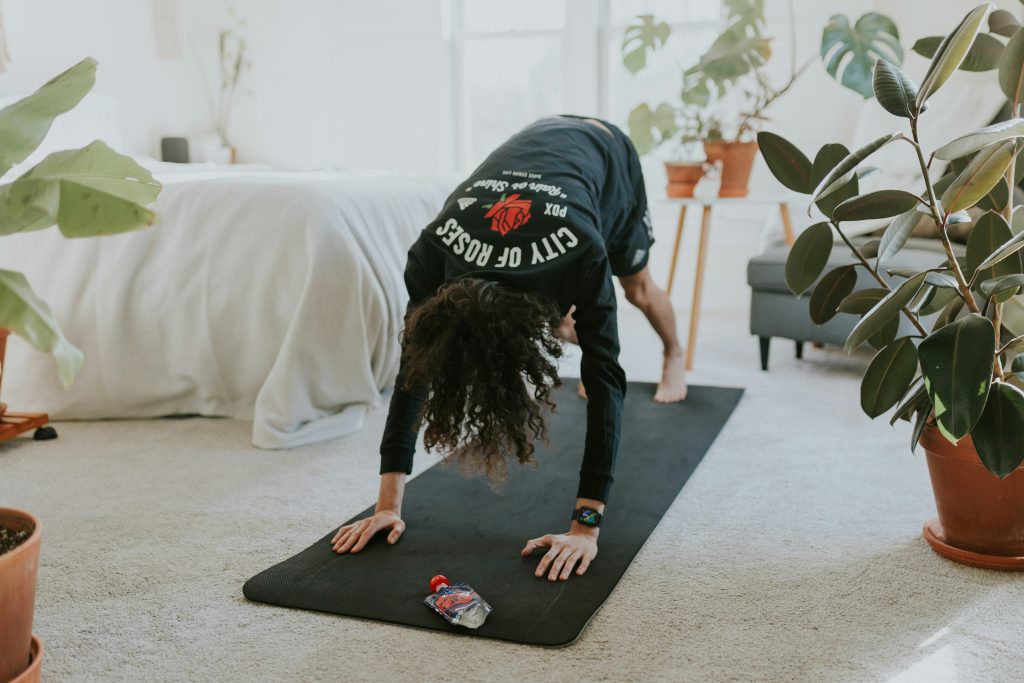
If you are interested in structured exercise, but don’t want to leave your house, NHS England has a range of fitness videos here. You can also find all sorts of free exercise instructions on YouTube or through Google, from pilates to tai chi to voguing. Start at a level that’s right for you – you don’t have to go from 0 to an ultramarathon, and if you find it miserable or painful, you’re less likely to keep it up. Try things out until you find something you enjoy.
Don’t get caught up in guilt
Particularly in January, in the flush of New Year’s resolutions, there can be a lot of pressure to work out hard, do heavy exercise, and take on massive goals – all at a time when a lot of us are at our lowest energy. Don’t get caught up in the guilt of massive exercise resolutions made and given up on.
Exercise that becomes a source of guilt, shame or pain is unlikely to be sustainable. It’s better for you to do less intensive exercise that you’ll keep up long-term and do regularly than it is to push yourself to your limits and then be too tired and demoralised to do anything for months.
Enjoy yourself
Find a way to move your body that makes you feel genuinely good and satisfied, and do it to whatever level suits you. You don’t need to be gaining muscle, or losing weight. You don’t need to be accountable to anyone else’s goals but your own. The idea is just to move your body in a way that you enjoy and that helps you feels good.
It can be very satisfying to challenge yourself, and to learn how to do things you didn’t know you could do – but whether you’re biking to work or training for an ultramarathon, make sure you’re getting joy from it, not just avoiding guilt.

More ways to beat the winter blues
Explore our resource hub for tips on looking after your wellbeing during the winter months.